Origin
In 2016, AlphaGo played Move 37 against Lee Sedol. It broke with centuries of human convention and revealed a form of intelligence no one had anticipated. Professional commentators called it a mistake. Then it won the game.
The machine didn't replace human intuition. It processed a volume of pattern data no human could hold, and from that volume surfaced a position that looked alien but was objectively superior. The move came from running a different kind of search.
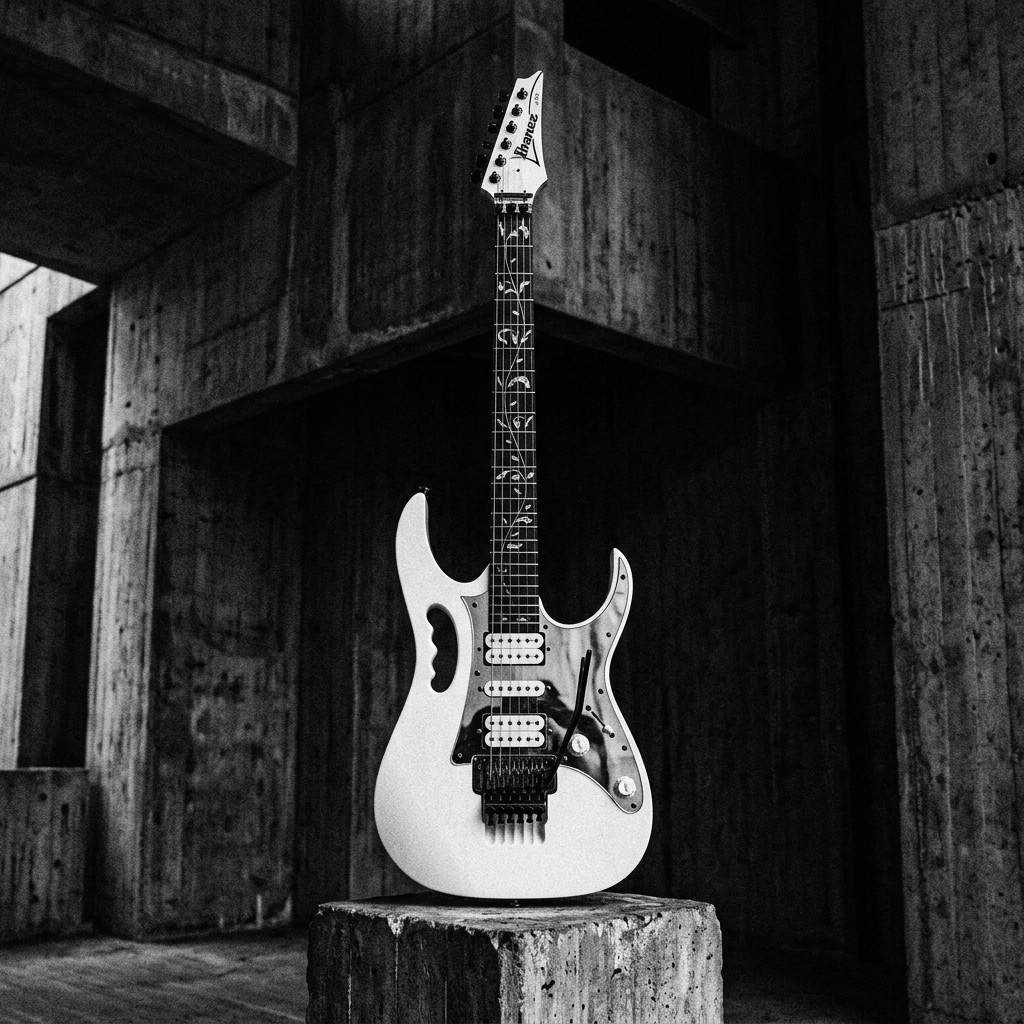
The 37th fret doesn't exist on any guitar. The highest fret on most instruments is the 24th. String 37 is the instrument that would need to exist to play there: a string tuned to a position past the edge of what anyone taught you to reach.
Human feel and machine perception, running together. Every dispatch is a generation. Every generation is evidence.
String 37
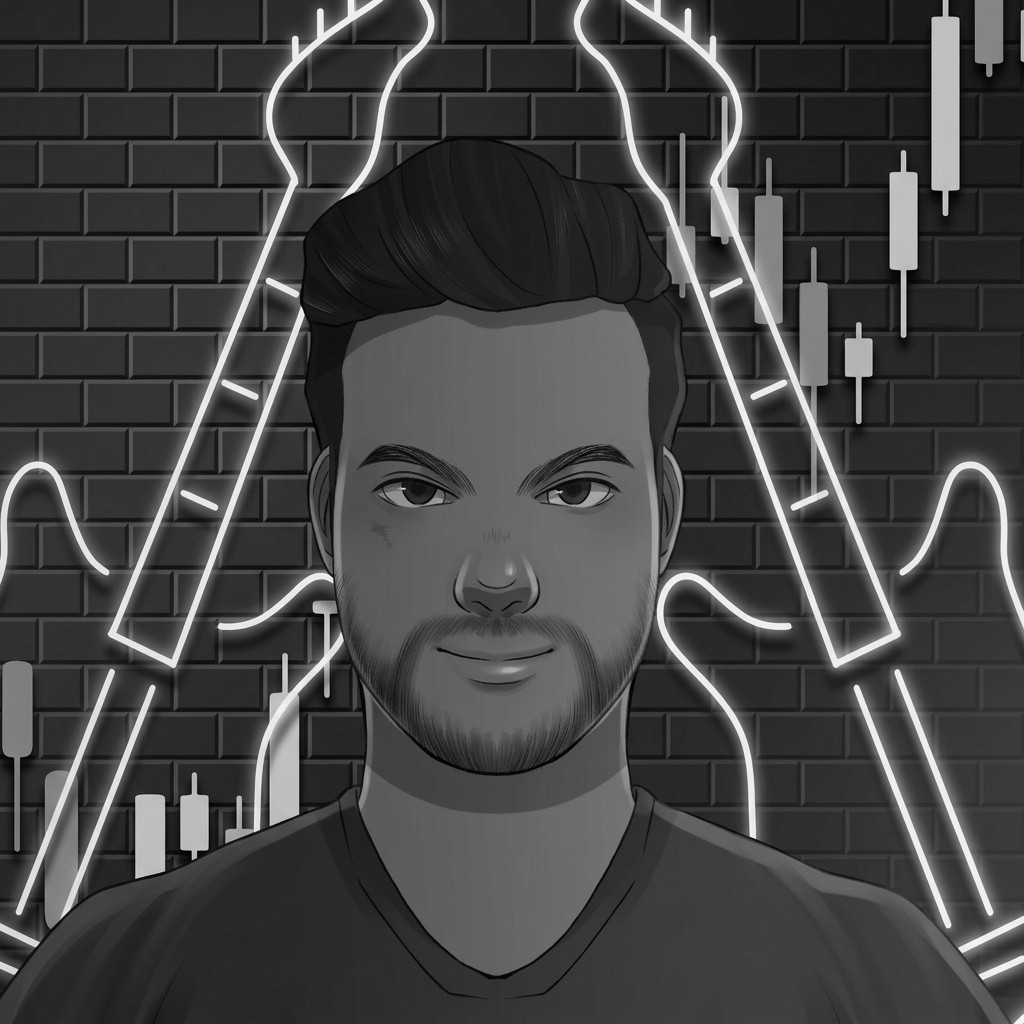
I am a solo experiment in deliberate musical development.
My background is highly interdisciplinary: law, finance, tech, philosophy. I spent two decades inside complex systems -- hedge funds, restructurings, axiology. Most recently, frontier and applied AI.
I read Borges and Benjamin Graham in the same sitting. None of that has anything to do with guitar, and yet all of it has everything to do with guitar.
This is not a curriculum with a finish line. I follow a thread -- a voicing, a phrase, a question about why something sounds inevitable -- and pull on it until it teaches me something I didn't know I was looking for.
The practice isn't linear. It's a conversation that keeps changing the subject in ways that turn out to be the same subject.
Methodology
Every session has two layers. The first is a constraint. Some principle held constant while everything else rotates around it. The genesis constraint is effortlessness. Tomorrow it might be something else. The constraint isn't the point. The discipline of holding one thing still while the rest moves… that's the point.
The second is AI as an augmentation layer: practice design, pattern recognition, feedback loops, and the kind of structural mapping that would take years to accumulate alone. Not a replacement for ears and hands. A way to see the territory from above while still walking through it.
Frameworks arrive, do their work, and get composted into whatever comes next. The only thing that persists is the experiment itself.
Transformations compound across sessions, not within them. The interest is in the iterations, not the hours. The point is not convergence on a final state.
The point is
to move…
Digital Aleph
Portal to Another Dimension
.
.
▼